Makhana
What Is Makhana? A Complete Guide to Fox Nuts, Nutrition, Benefits, and Uses

Makhana is a popular GI tagged edible seed that has been enjoyed in India for centuries. Often called fox nuts, lotus seeds, or gorgon nuts, makhana is especially well known for its light, crunchy texture and mild taste. It is commonly roasted and eaten as a snack, added to curries, or used in traditional Indian sweets.
In recent years, makhana has gained attention beyond India because of its nutritional profile and its versatility as a snack. But what exactly is makhana, where does it come from, and why has it become so popular?
Let’s take a closer look.
What Is Makhana?
Makhana is the edible matured seed of the aquatic plant Euryale ferox Salisb. The plant grows in ponds and wetlands, particularly in parts of India and other Asian countries.
The seeds are harvested, dried, and processed before being roasted or cooked. When heated, the seeds can pop and expand, producing the familiar white, crunchy makhana that is sold in markets and grocery stores.
Although it is commonly known as fox nuts, makhana is not actually a nut in the botanical sense. It is a matured seed.
In India, makhana is particularly associated with Mithila Region of Bihar, which is one of the country's major production regions.
Why Is Makhana Called Fox Nut?
The English name fox nut is commonly used for makhana, although the name can be somewhat misleading because makhana is a seed rather than a true nut.
It is also sometimes called gorgon nut because it comes from Euryale ferox salisb, a water plant belonging to the family Nymphaeaceae, the same broader plant family that includes water lilies.
Depending on the region and context, you may see makhana sold under several names:
- Makhana
- Fox nuts
- Gorgon nuts
- Lotus seeds
- Euryale ferox seeds
- Popped lotus seeds
Strictly speaking, "lotus seeds" can cause confusion because true lotus seeds come from a different plant, Nelumbo nucifera. In everyday Indian usage, however, makhana is frequently referred to as lotus seed.
Where Does Makhana Come From?
Makhana grows in freshwater ponds and wetlands. In India, it has a particularly strong connection with Mithila Region of Bihar, where traditional cultivation and processing have been practiced for generations.
The seeds are collected from aquatic plants, dried, and processed. The hard seeds are then roasted at high temperatures, causing them to pop and develop their characteristic white, fluffy interior.
Bihar is especially famous for makhana production, and the crop has become an important part of the state's agricultural and food-processing economy.
How Is Makhana Made?
The production of makhana involves several traditional steps.
1. Growing the aquatic plant
Makhana plants grow in ponds and other suitable freshwater environments. The plants produce spiny fruits containing numerous seeds.
2. Collecting the seeds
The mature seeds are collected from the water and separated from the other plant material.
3. Drying
The seeds are cleaned and dried to reduce their moisture content.
4. Roasting
The dried seeds are roasted using controlled heat. This process helps the seeds pop.
5. Popping
With the right combination of heat and pressure, the hard outer shell breaks and the white edible portion expands.
6. Sorting and packaging
The popped makhana is sorted according to size and quality before being packaged for sale.
This traditional processing method is one reason why good-quality makhana can have a distinctive light, crunchy texture.
Makhana Nutrition
Makhana is popular among people looking for a convenient snack with a relatively simple nutritional profile.
According to the Indian Food Composition Tables (IFCT) published by the National Institute of Nutrition, Makhana contains carbohydrates, protein, minerals, and other nutrients. Its exact nutritional value can vary depending on processing and preparation.
For example, plain roasted makhana is nutritionally different from makhana that has been fried in oil or coated with sugar, caramel, or other ingredients.
If you're comparing products, it is therefore important to check the nutrition label rather than assuming that every packaged makhana product has the same nutritional composition.
Potential Health Benefits of Makhana
Makhana is often promoted as a healthy snack, but it is important to distinguish between its nutritional characteristics and medical claims.
1. A convenient snack
Roasted makhana is light, crunchy, and easy to season. This makes it a popular alternative to many heavily processed snack foods.
2. Provides plant-based protein
Makhana contains protein, although the amount is not high enough to consider it a complete replacement for major protein sources in the diet.
3. Contains minerals
Makhana provides minerals such as magnesium, potassium, and phosphorus, although quantities depend on the product and serving size.
4. Naturally low in fat before preparation
Plain makhana is relatively low in fat. However, its fat content can increase considerably when it is prepared with large amounts of ghee, butter, or olive oil.
5. Contains antioxidants
Makhana contains various bioactive compounds, including antioxidant compounds. Research into _Euryale ferox_ has investigated its potential antioxidant and other biological properties, although laboratory findings should not automatically be interpreted as proven health effects in humans.
Is Makhana Good for Weight Loss?
Makhana can be included in a weight-management diet, particularly when it is dry roasted or prepared with a modest amount of olive oil or ghee.
Its crunchy texture can make it a satisfying snack, but portion size still matters. Eating large quantities of heavily seasoned or oil-coated makhana can significantly increase calorie intake.
So rather than thinking of makhana as a "weight-loss food," it is more accurate to consider it a versatile snack that can fit into a balanced diet.
How to Eat Makhana
One of the best things about makhana is its versatility.
You can eat it in several ways:
- Dry roasted with a little salt
- Roasted with black pepper and spices
- Tossed with turmeric and chili powder
- Cooked with ghee
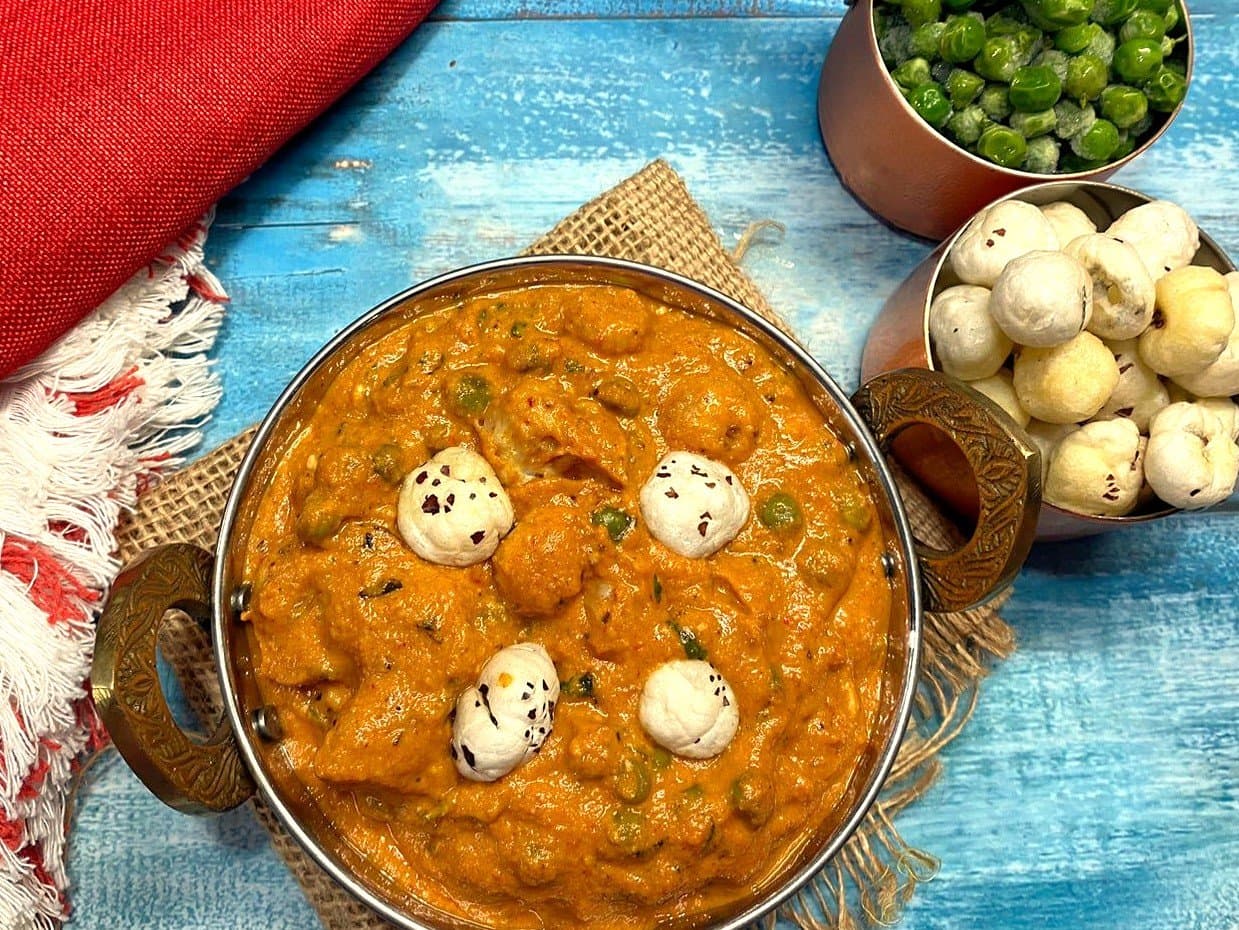
- Added to curries
- Used in kheer
- Added to trail mixes
- Ground into flour for certain recipes
- Used in fasting or vrat recipes
A simple roasted makhana recipe can be prepared in just a few minutes.
Simple Roasted Makhana Recipe
Ingredients:
- 2 cups makhana
- 1 teaspoon ghee or olive oil
- Salt to taste
- Black pepper to taste
- Optional spices such as turmeric, chili powder, or chaat masala
Method:
1. Heat a pan over low to medium heat.
2. Add the makhana and dry roast it until it becomes crisp.
3. Stir frequently to prevent burning.
4. Add a small amount of ghee or oil.
5. Season with salt, pepper, and your preferred spices.
6. Roast for another minute and allow it to cool.
7. Store in an airtight container.
The key to good roasted makhana is low-to-medium heat and patience. High heat can burn the outside before the seeds become evenly crisp.
Makhana During Fasting
Makhana is also widely consumed during Indian fasting and vrat, particularly because it can be prepared in several ways that fit common fasting-food traditions.
It may be roasted with ghee and seasoned with ingredients permitted during fasting. Makhana is also used in dishes such as makhana kheer.
However, fasting rules vary by religious tradition and individual practice, so the ingredients used should be chosen accordingly.
Both can be part of a balanced diet. The overall nutritional value depends heavily on how they are prepared.
Is Makhana a Nut?
No. Makhana is a matured seed, not a true tree nut.
The term "fox nut" is a common name used for the product, but botanically it comes from the seeds of the aquatic plant Euryale ferox salisb.
People with food allergies should still check packaged products carefully because cross-contamination or added ingredients can be an issue.
What Does Makhana Taste Like?
Plain makhana has a mild, slightly nutty flavor and a relatively neutral taste.
Its biggest attraction is often its texture. Properly roasted makhana becomes light, airy, and crunchy, which allows it to absorb spices and seasonings very well.
This makes it easy to create both savory and sweet recipes.
Why Is Makhana Becoming Popular?
Makhana has traditionally been part of Indian cuisine, but its popularity has expanded because consumers are increasingly interested in convenient snacks made from recognizable ingredients.
It also fits several modern food trends:
- Plant-based eating
- Traditional Indian foods
- Convenient snacking
- Roasted snacks
- Alternative snack options
- Ingredient-conscious diets
The growth of packaged makhana products has also made it easier for consumers outside traditional producing regions to purchase and try it.
Frequently Asked Questions About Makhana
Is makhana the same as fox nuts?
Yes, Makhana is commonly sold as fox nuts or gorgon nuts. These names generally refer to the edible seeds of Euryale ferox salisb.
Is makhana healthy?
Plain or lightly roasted makhana can be a nutritious addition to a balanced diet. Its nutritional value depends on the quantity consumed and how it is prepared.
Can we eat makhana every day?
For most people, makhana can be included regularly as part of a varied diet. However, portion size and preparation matter, particularly if it is cooked with substantial amounts of ghee, oil, sugar, or salt.
Is makhana a seed or a nut?
Makhana is a matured seed. The term fox nut is a common name rather than a botanical classification.
Where is most Indian makhana produced?
Bihar is one of India's most important makhana-producing regions and is particularly well known for traditional makhana cultivation and processing.
Can makhana be eaten during fasting?
Makhana is commonly eaten during Indian fasting and vrat, but acceptable ingredients vary according to the particular fasting tradition.
Conclusion
Makhana is much more than a trendy snack. It is a traditional Indian food made from the seeds of the aquatic plant Euryale ferox. With its light texture, mild flavor, and ability to work in both sweet and savory dishes, makhana has remained an important ingredient in Indian cuisine.
Whether you enjoy it as roasted fox nuts, makhana kheer, a curry ingredient, or a simple evening snack, it can be a versatile part of a balanced diet.
Its long history in India particularly in Bihar and also makes makhana an interesting example of how traditional foods can find a new audience in the modern food market.
makhana benefits, fox nuts, makhana nutrition, what are fox nuts, makhana uses, makhana in India, roasted makhana